



extended auto insurance: a priority-based comparison guide
What it is - and what it isn't
Extended auto insurance adds protection for mechanical failures after factory coverage fades, often bundling roadside assistance and rental reimbursement. It won't replace routine maintenance or fix wear-and-tear, and terms vary by insurer and state, which is worth noting.
How it compares to what you already have
Liability vs. extended: Liability pays others after you cause damage; extended focuses on your car's breakdowns.
Comprehensive/collision vs. breakdowns: Comp/collision address accidents, theft, storms. Extended steps in for covered part failures - say, an AC compressor that dies on a hot afternoon.
Factory warranty vs. extended: Factory coverage ends on a schedule; extended continues protection, though sometimes with narrower lists of parts.
You may see overlap around roadside assistance, though it's usually minimal.
Start with priorities, not products
Budget predictability: Prefer steady costs over surprise repair bills?
Downtime tolerance: If you can't be without a car, rental coverage and fast authorizations matter.
Car profile: Age, mileage, brand reliability, and tech complexity (turbos, hybrids, advanced infotainment) tilt the math.
Repair network: Freedom to choose your shop vs. a limited list.
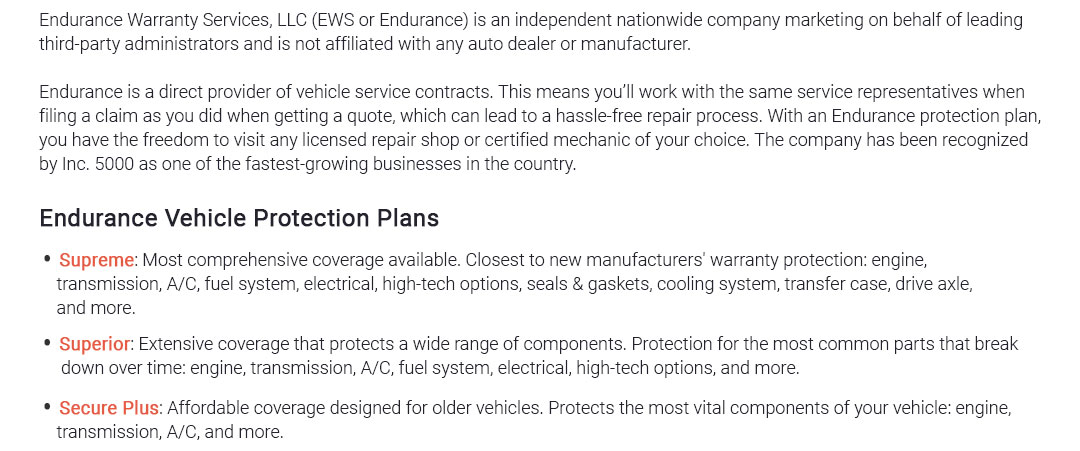
Plan types at a glance
Mechanical Breakdown Insurance (MBI): An insurance add-on in some states, typically for newer vehicles; annual premium; regulated claims process.
Vehicle Service Contract (VSC): Often sold by dealers or third parties; can be paid upfront or financed; look closely at cancellation, transfer rules, and who administers claims.
Manufacturer-backed extensions: Usually pricier but familiar parts and networks; benefits can be clearer, though still read the fine print.
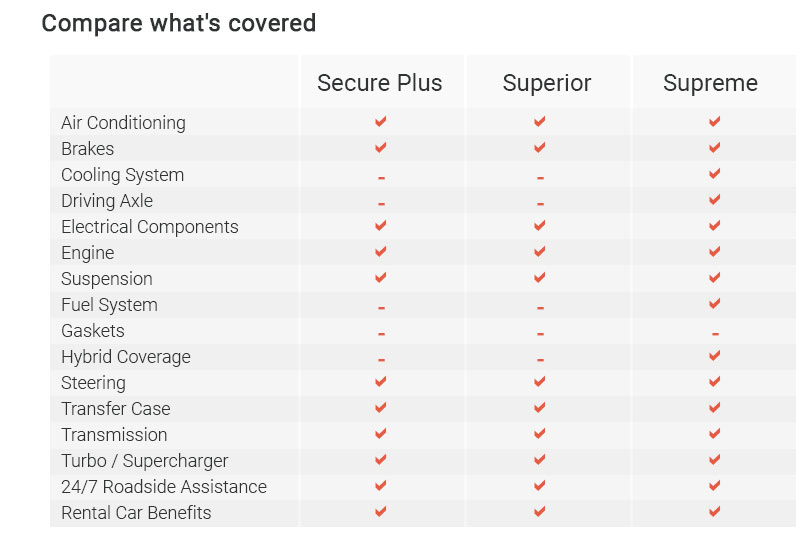
Coverage details to compare
Contract style:Exclusionary (covers everything except listed items) vs. inclusionary (only named parts).
Deductible: Per visit or per component? Small detail, big effect.
Caps: Per claim, per year, or aggregate maximums.
Labor/diagnostics: Are diagnostics and shop labor rates fully covered?
Consumables: Fluids, filters, and seals sometimes excluded.
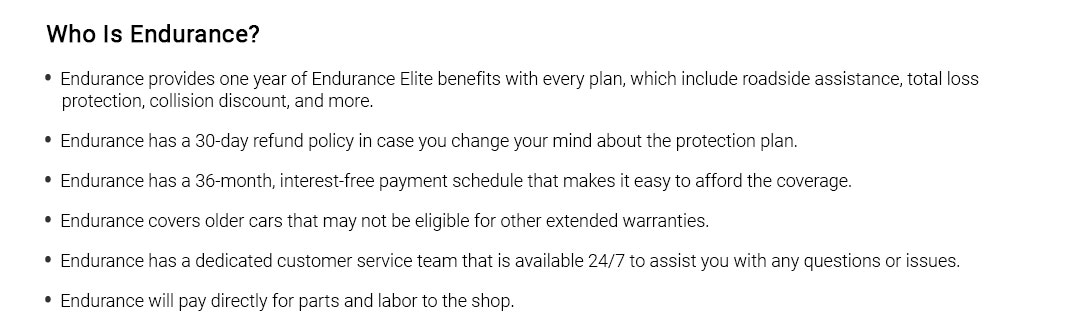
Rental/roadside: Daily allowance, total days, towing mileage.
Waiting periods and inspections: Some plans delay coverage or require a checkup.
Pre-approvals and parts: OEM vs. aftermarket, and who authorizes what.
Costs and value - quick reality check
Pricing reflects your car's risk profile, regional labor rates, and chosen deductible. As a simple yardstick, a $900, three-year plan with a $100 deductible could break even with one $1,500 - $3,000 repair - though outcomes vary, and you might sail through with no claims.
A quick real-world moment
On a rainy Thursday, Maya's seven-year-old hatchback lost power on I-95. Her extended auto insurance approved a tow within 30 minutes, covered a $2,400 alternator and wiring repair (after a $100 deductible), and paid for two days of rental. She still made Friday's client meeting - barely, but it counted.
Simple steps to decide
List priorities: Predictable costs, minimal downtime, or maximum coverage breadth.
Check reliability: Note known issues for your model and mileage.
Get sample contracts: Read what's excluded first.
Call the claims line: Ask how authorizations and payments work.
Run the math: Compare premium plus deductible against a couple of likely repairs.
Confirm network: Your preferred shop or approved facilities only.
Decide: Buy now, wait, or self-insure with a repair fund.
Smart questions to ask
Is coverage exclusionary and what are the top five exclusions?
Is the deductible per visit or per repair?
Are diagnostics and taxes covered?
What are claim caps and rental limits?
Who gets paid - shop directly or you first?
Who likely benefits (and who might not)
Good fit: High-mileage commuters, long-term keepers, rural drivers far from dealerships, and anyone who must avoid downtime.
Maybe skip: Short-term leases, very reliable new cars still deep in warranty, or drivers with a healthy repair fund and flexible schedules.
Red flags
Mandatory maintenance proof with narrow timelines.
Wear-and-tear language that swallows common failures.
Low labor rate caps vs. local market prices.
Hard pre-approval rules that delay repairs.
High cancellation fees or non-transferability.
If you buy
Keep digital copies, log maintenance, and know the claims phone number. If something fails, call before repairs begin, get the authorization number, and keep invoices. It's simple enough once you've done it once.
Bottom line
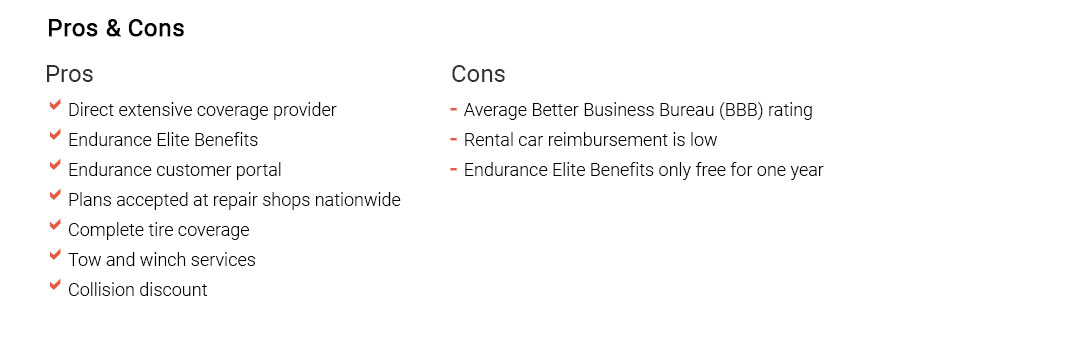
Choose extended auto insurance only after you prioritize: budget certainty, downtime, and coverage scope. If it aligns with those priorities - and the contract language holds up - it can turn an unlucky breakdown into a manageable hiccup, which is really the point.
https://vehicleprotection.allstate.com/Products
No matter how big or small the repair is, Allstate Extended Vehicle Care can help. It covers repair costs for a range of mechanical breakdowns beyond the ...
https://americandreamautoprotect.com/
Save thousands on car repairs with reliable auto warranty plans. We offer extended coverage plans that safeguard your vehicle against expensive repair costs ...